The Best Ring Alarm Home Security Kit
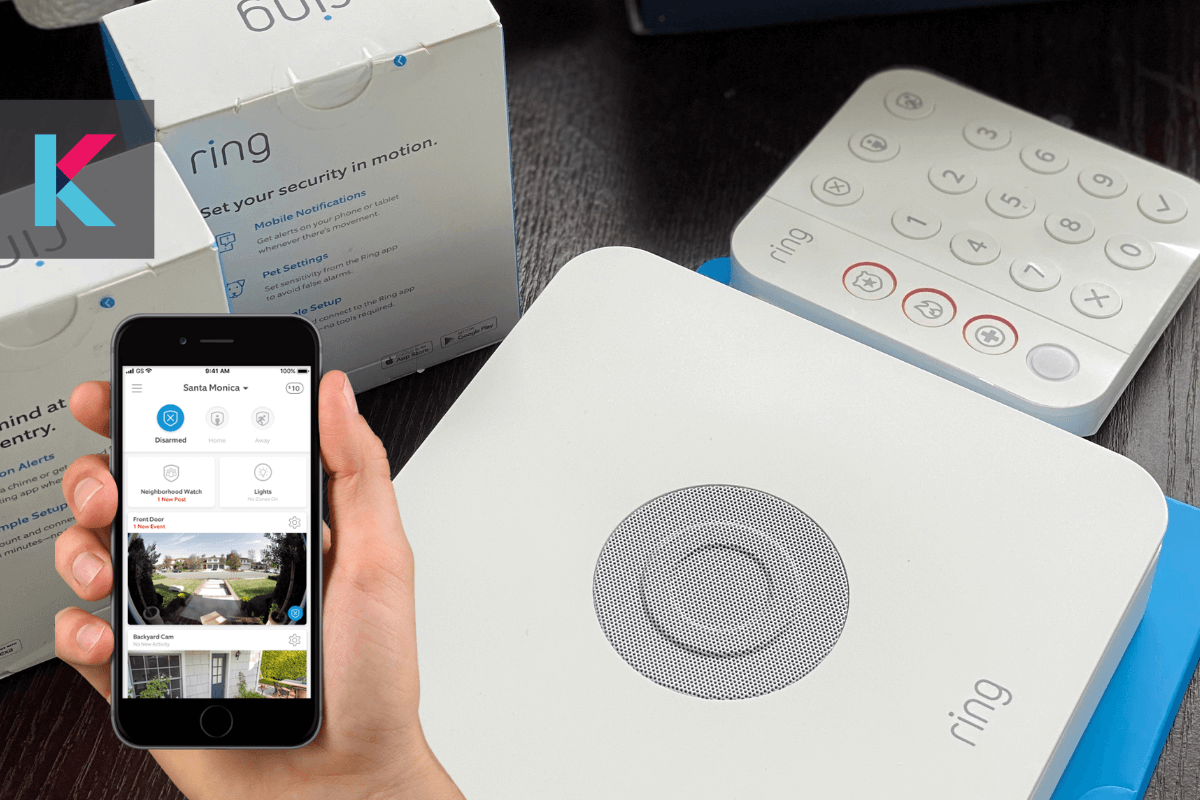
The Ring Alarm security kit is one of the most popular DIY home security systems available today. It is affordable, contract-free, and designed so that anyone can install it without professional help.
Quick Answer:
The Ring Alarm security kit is a modular, Z-Wave-based DIY security system sold in 5-piece, 8-piece, 10-piece, and 14-piece bundles. Every kit includes a base station, keypad, contact sensor(s), motion detector, and range extender. Professional monitoring is available for $19.99 per month through Ring Protect Pro, but the system works for free with self-monitoring via the Ring app.
This guide covers every kit size, every core component, the Standard vs. Pro hardware difference, all monitoring plan tiers, and the full setup process — so you can make the right call before you buy.
What is the Ring Alarm Home Security Kit?
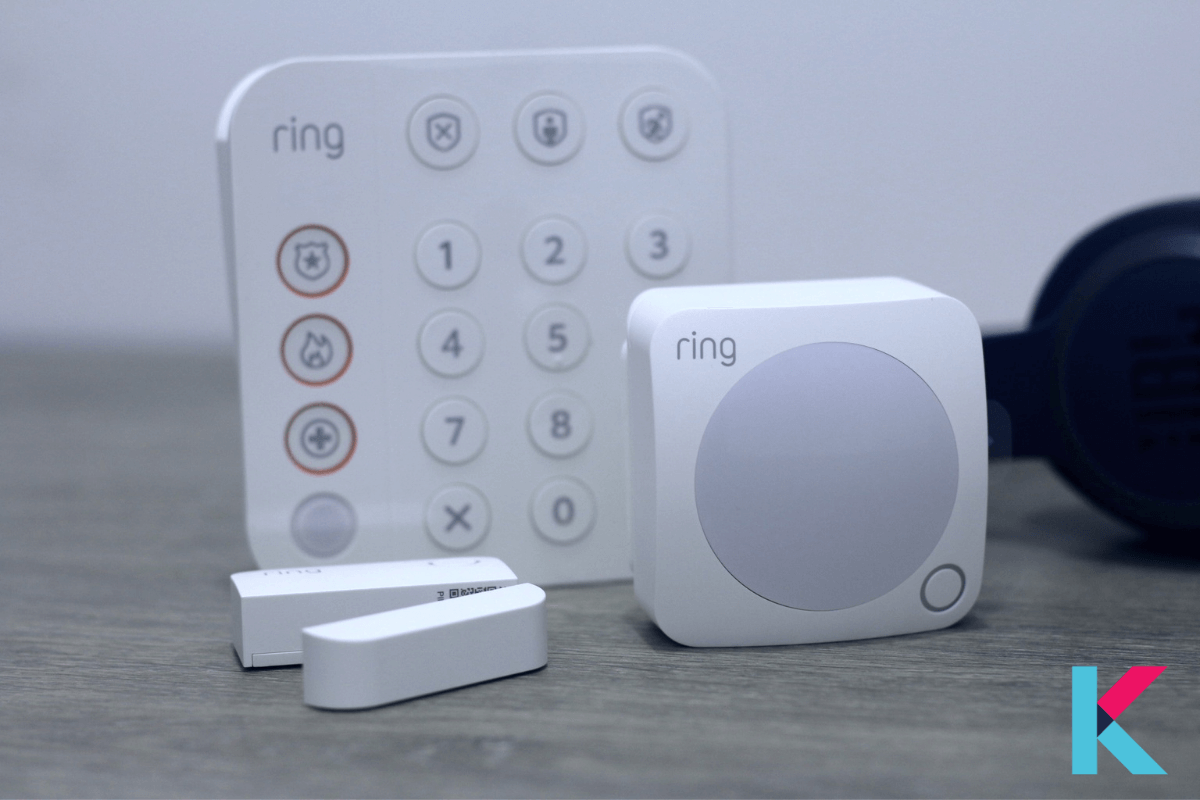
The Ring Alarm Home System is a perfect starter kit for you. It is the second generation DIY home security system of Ring. It simply expands to fit your needs. Once simply plugging in the Ring Alarm Base Station, you can connect sensors and control them from your keypad or the Ring app. Also, it includes things such as Base Station, Contact Sensor, Motion Detector, Keypad, and Range Extender.
If you are using Ring Alarm Home System, you might wonder how to connect it to HomeKit to easily control it and integrate it with Apple Home app. You can add your Ring device to HomeKit using Enomek.
- Base Station
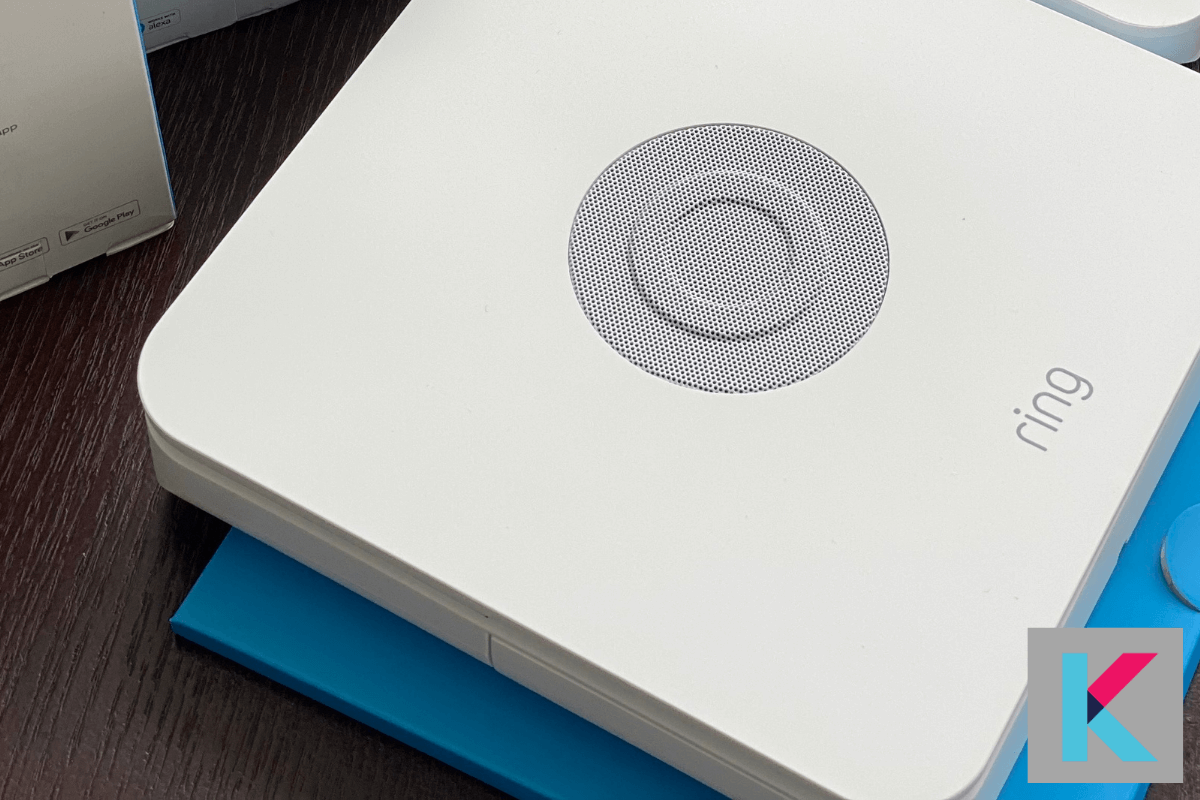
The Base Station is considered the brain behind all components of the security kit. It keeps Ring Alarm online as well as connected to your devices. It lets you group all your Alexa-enabled devices and Ring Alarm components via the Ring App. It also has a 24 hours backup battery and is coupled with cellular backup.
- Keypad
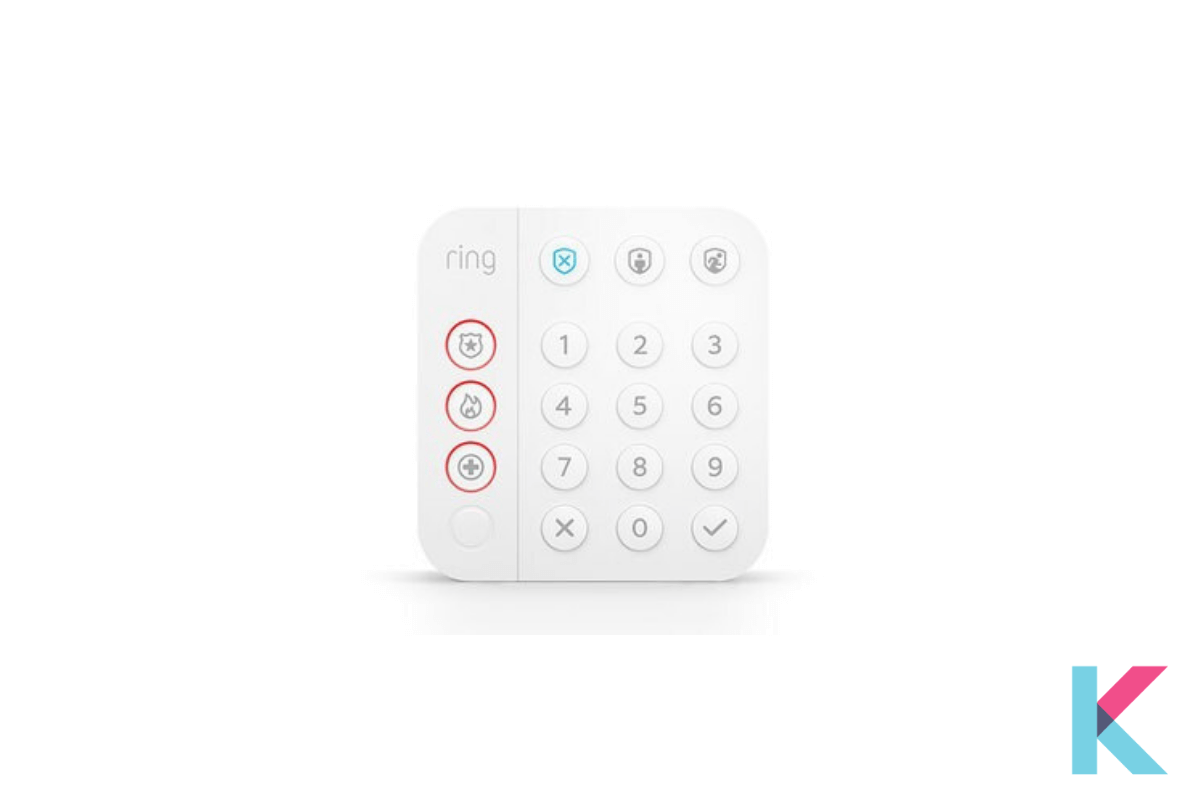
You can easily arm and disarm your Ring Alarm System using the Keypad. It is smaller than the previous one. Also, there are three separate buttons on the keypad. It puts us into straight contact with the police, medical and fire authorities. You just want to hold the button of the keypad for three seconds. Then, the right authorities would be notified.
- Contact Sensors
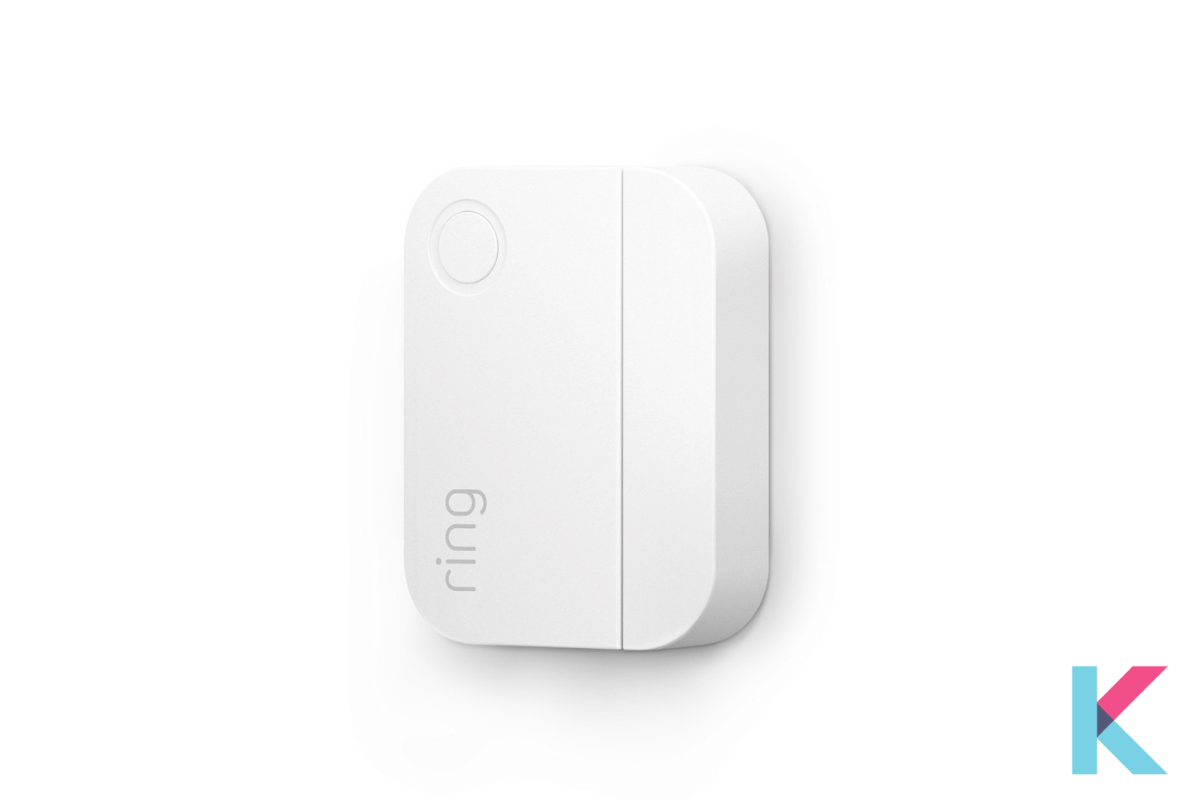
You can get alerts once your doors or windows open and secure each of them with Contact Sensors. It is powered by two coin cell batteries. Also, we can place it above our front window or door.
- Motion Detector
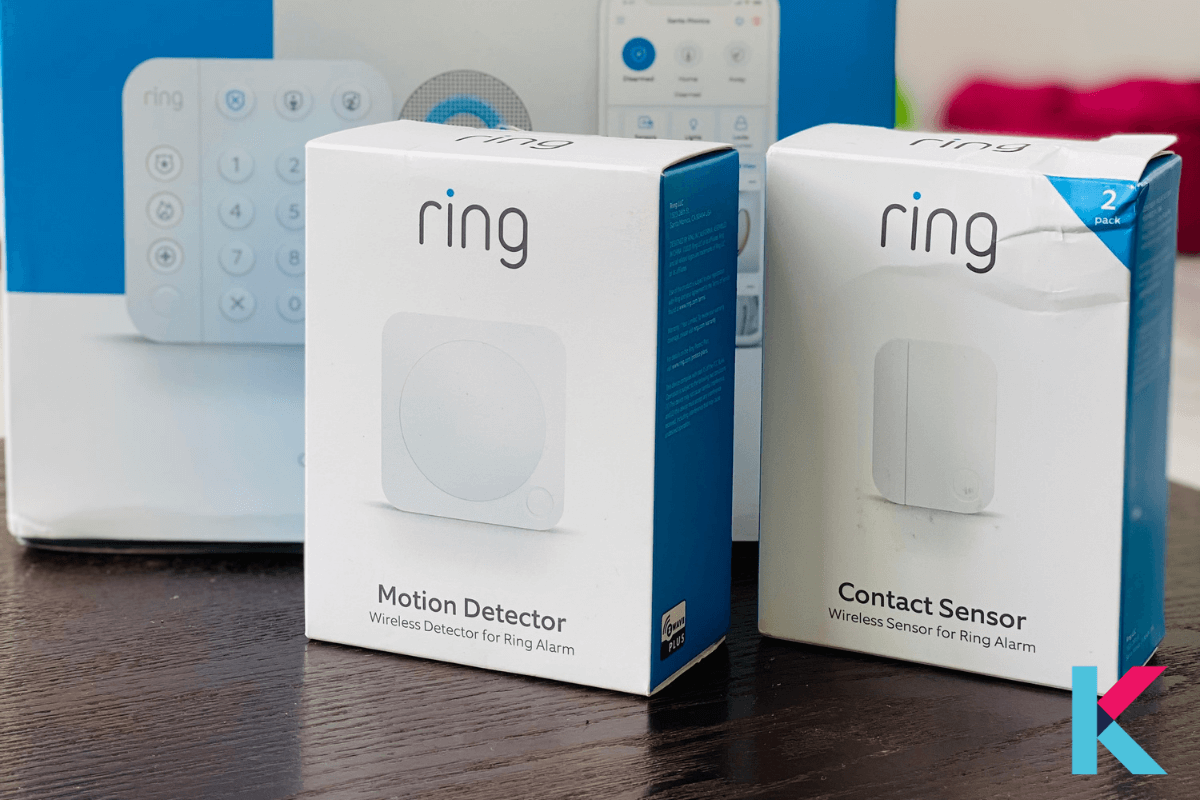
It has a slimmer profile like the keypad with a button and light indicator. Instantly motion is detected indoors, you can get alerts to your smartphones. It can be placed in each room or hallway. It is amazing! It allows the components to focus only on human intruders. Also, it ignores animals’ motions.
- Range Extender
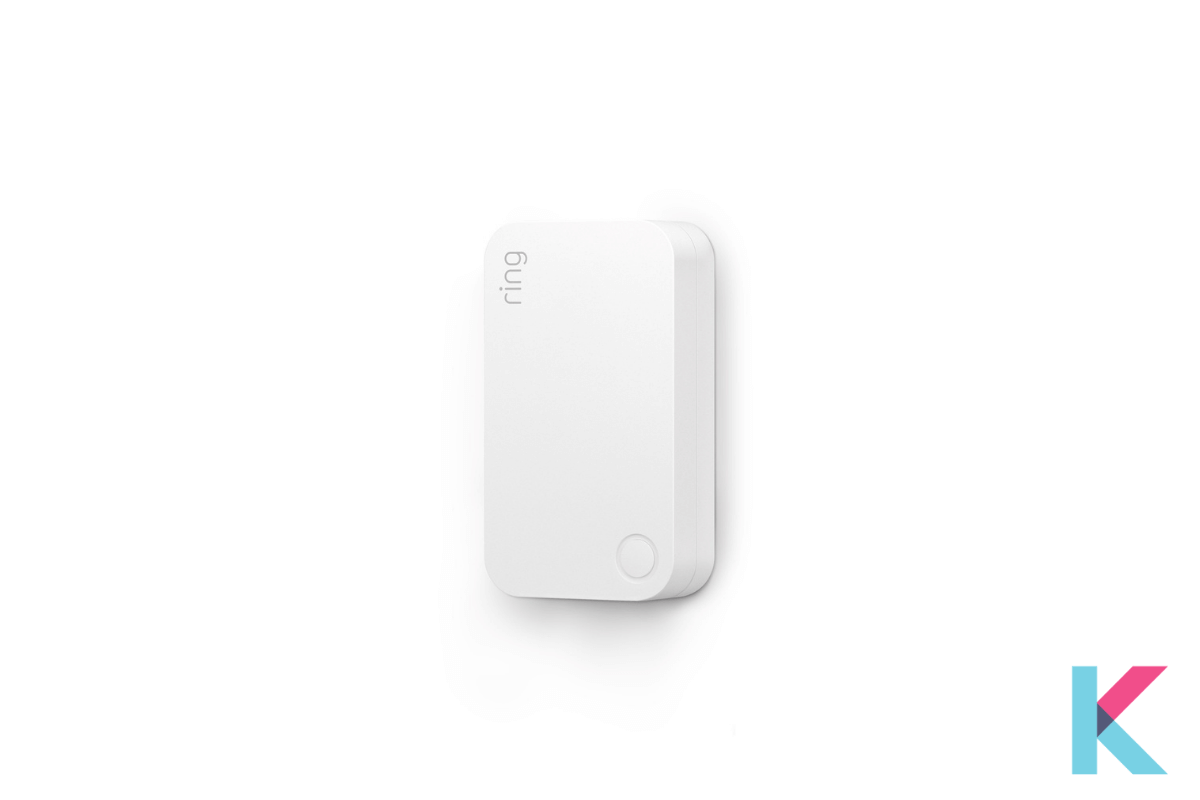
This Range Extender extends the signal from the Alarm Base Station to all its components. It indicates the button and light indicator with a slim profile. Also, it amplifies the distance between the base station and the sensors.
And yeah! You can get real-time audio and video with the Live View button once you add a Video Doorbell and Security Camera to your Alarm Security System. Once you add them to your Ring Alarm System, you can always know what is happening around and inside your home. When you are paired with Alexa-enabled devices, you can be able to arm and disarm your Alarm System with your voice.
When the glass breaks, detect the sound of a carbon monoxide alarm or smoke alarm, you can detect it by adding Alexa Guard to select Amazon Echo device. There is no need for additional tools. It is with everything you need. So, you want to plug it, and then you can protect your whole home. It is one more important thing to remember that you can expand your system with 3rd party devices like Z-Wave devices, Smart Locks to gain more security.
The ring has introduced privacy and security measures for customers to access and adjust their settings in an easy way. It includes two-factor authentication for its camera-equipped devices.
Which Ring Alarm Security Kit Size Is Right for Your Home?
| Kit Size | Best For | What Is Included |
|---|---|---|
| 5-Piece Kit | Apartments or small homes up to 1,000 sq ft | 1 base station, 1 keypad, 1 contact sensor, 1 motion detector, 1 range extender |
| 8-Piece Kit | 1–2 bedroom homes | 1 base station, 1 keypad, 4 contact sensors, 1 motion detector, 1 range extender |
| 14-Piece Kit | Large homes with 3+ bedrooms | 1 base station, 2 keypads, 8 contact sensors, 2 motion detectors, 1 range extender |
You are not limited to these bundles. Individual sensors, glass break detectors, smoke/CO listeners, and flood sensors can all be purchased separately and added to any kit at any time.
A practical rule: count the number of ground-floor entry points (doors and windows accessible without a ladder) and choose a kit that covers all of them with sensors to spare.
Ring Alarm Standard vs. Ring Alarm Pro: Which Should You Buy?
Both versions ship in the same kit sizes. The hardware difference lives entirely in the base station.
Ring Alarm Standard (2nd Gen)
The standard base station delivers core security functions: Z-Wave sensor hub, 104 dB siren, 24-hour battery backup, Wi-Fi and cellular connectivity. This covers the needs of most households.
Ring Alarm Pro
The Pro base station includes a built-in eero Wi-Fi 6 router. This means your home network runs through the same device managing your security system. The key benefit is 24/7 backup internet: if your primary internet connection goes down, the base station switches to a cellular connection automatically, keeping both your security system and connected devices like cameras and laptops online.
Pros and Cons: Standard vs. Pro
| Ring Alarm Standard | Ring Alarm Pro | |
|---|---|---|
| Pros | Lower upfront cost, simpler setup, no router dependency | Backup internet for whole home, built-in eero Wi-Fi 6, stronger resilience during outages |
| Cons | System goes offline if internet fails (cellular backup for alarm only) | Higher upfront cost, requires Ring Protect Pro plan for full backup internet features |
Verdict: If internet outages are common in your area, or if you rely on smart cameras for security, the Pro is worth the premium. For most renters and apartment dwellers, the standard kit is sufficient.
Good Home Security for Ring users
There are three modes to control your home security as Home mode, Away mode, and disarmed mode. During keeping exterior sensors armed, you can place Ring Alarm in Home mode to disarm the interior sensor.
You are able to know what happens while you are out of the home once set to Away mode to arm all sensors in your home. It is awesome! You can walk freely out and in your Smart Home after Disarm your alarm system to disarm all sensors.
There is a convenient dashboard with security and privacy control. You can do it all from one place on your PC, phone, or tablet with a control center such as sharing uses, adding and removing authorized client devices, and selecting link accounts.
Pros and Cons of Ring Alarm System
Pros
- Affordable upfront cost with no long-term contracts required
- Simple DIY installation using peel-and-stick adhesive — no tools needed for most components
- Seamless integration with Alexa and the broader Ring ecosystem
- Modular design: start small and add sensors at any time
- Pet-friendly motion detection adjustable for animals up to 50 lbs
- Professional monitoring available at one of the lowest monthly rates in the industry
Cons
- Privacy concerns: Ring has faced scrutiny over data-sharing practices and past security incidents; review Ring's current privacy settings before setup
- No native Apple HomeKit support (requires a third-party bridge like Enomek)
- No built-in gas detector or garage door tilt sensor in standard kits
- Some users report minor connectivity delays during initial base station pairing
- Professional monitoring and advanced features require a paid subscription
How to set up and install Ring Security Home Kit?
Setup takes under an hour for most households. Here is the full process.
Step 1: Download the Ring App and Create an Account
Download the Ring – Always Home app on iOS or Android. Create an account and verify your address if you plan to use professional monitoring.
Step 2: Set Up the Base Station
Plug the base station into a power outlet. Open the app, tap "Set Up a Device," select "Security Devices," then "Base Station." The app will guide you through connecting to your Wi-Fi network. Once connected, the LED ring turns solid blue.
Step 3: Add the Keypad
Plug in the keypad and wait for it to appear in the app. Assign it a name and location. Use the included mounting plate and screw to fix it to a wall near your main entry point. Create your PIN code during this step.
Step 4: Install Contact Sensors
Remove the battery pull tab from each contact sensor. They will appear in the app automatically. Assign each one to a door or window, give it a name, and fix it to the door frame and door face using the included adhesive strips. The two magnetic parts must align within approximately one inch of each other.
Step 5: Install the Motion Detector
Remove the battery pull tab. The sensor will appear in the app. Mount it in a corner of a hallway or room at approximately 7–8 feet height using adhesive or the included bracket. Angle it toward the area you want to cover.
Step 6: Install the Range Extender
Plug the range extender into a wall outlet roughly halfway between the base station and your farthest sensor. It will appear in the app for naming and room assignment.
Step 7: Set Your Security Modes
Configure your Home, Away, and Disarmed modes in the app settings. Home mode keeps perimeter sensors active while disabling interior motion detectors. Away mode arms everything. Test each sensor by opening doors and walking past the motion detector to confirm alerts arrive in the app.
Pricing and App
There is nothing more important than security. It takes a few minutes to lose everything that you have. If you think about your home security as well as your family then your budget, there is nothing to think about anymore. Also, you can get your security system at an affordable price.
You can buy an additional door/window sensor, another motion sensor, a range extender, and additional devices such as a First Alert smoke/ CO detector or a flood/freeze detector.
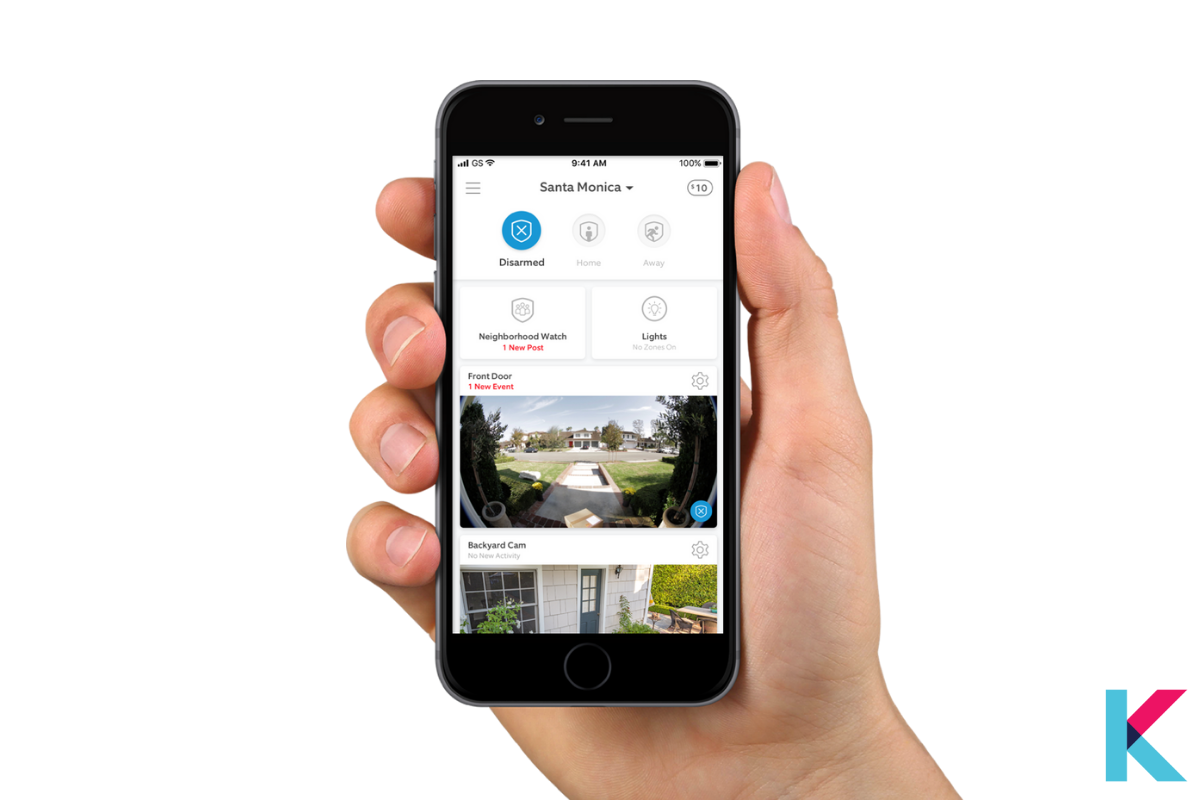
There is a mobile app and web app to monitor the system yourself. You can also subscribe to the Ring Protect Plus monitoring plan. Keep in mind. You can get a 24/7 Professional monitoring service for $10 per month. It includes fire and police department push, dispatch, and email alerts. This service includes unlimited cloud recording for Ring cameras.
This mobile app has a user-friendly Dashboard and a live preview window for every installed doorbell and camera. There is an alarm control at the top of the app. Also, Disarmed, Home, and Away mode buttons are at the top of the dashboard screen. Below the screen, you can see all installed sensors and tabs for viewing Event History and neighborhood posts.
There is a fantastic feature that is Ring’s Neighborhood feature. It lets you share recorded events with your neighbors. Once your neighbor posts a video, you will receive alerts. It is a more important feature when there is a police activity or fire in your neighborhood.
If you want to access the Alarm settings, you want to tap the three-bar icon in the upper left corner of your app. You are able to change your location, enable/disable email, push notification, and enable/disable sensors during in-home and away mode.
Our Pick
The Ring Alarm security kit is the right choice if you want reliable, affordable home security without a long-term contract. The 5-piece kit covers apartments and small homes well. The 8-piece is the most practical choice for a 1–2 bedroom home. The 14-piece handles larger properties with multiple entry points.
The Ring Alarm Pro is worth the premium only if backup internet is a genuine concern for your household. For most users, the standard 2nd Gen kit paired with Ring Protect Pro monitoring delivers everything needed at a price that is hard to beat.
Frequently Asked Questions
What is included in the Ring Alarm security kit?
Every Ring Alarm security kit includes a base station, keypad, at least one contact sensor, one motion detector, and a range extender. Larger kits add more contact sensors, additional motion detectors, and a second keypad. The exact contents vary by kit size: 5-piece, 8-piece, 10-piece, and 14-piece bundles are available.
Does Ring Alarm work without a subscription?
Yes. The Ring Alarm security kit works without any paid plan. You receive free push notifications via the Ring app whenever a sensor is triggered. A Ring Protect subscription is required to unlock professional monitoring, remote arm/disarm from the app, and event history logs.
How much does Ring professional monitoring cost?
Ring Protect Pro costs $19.99 per month and includes 24/7 professional monitoring, cellular backup, and 24/7 backup internet for Ring Alarm Pro hardware. There are no annual contracts — you can cancel at any time.
What is the difference between Ring Alarm and Ring Alarm Pro?
The Ring Alarm Pro base station includes a built-in eero Wi-Fi 6 router that enables 24/7 backup internet via a cellular connection. If your home internet goes down, both your security system and connected devices stay online. The standard Ring Alarm base station includes cellular backup for the alarm system only, not for the rest of your home network.
Can Ring Alarm be used with Apple HomeKit?
Not natively. Ring does not officially support Apple HomeKit. To integrate Ring Alarm with the Apple Home app and Siri, you need a third-party bridge such as Enomek. See our guide on how to add Ring devices to HomeKit for full setup instructions.
How many sensors can I add to Ring Alarm?
The Ring Alarm base station supports up to 100 devices total. This includes contact sensors, motion detectors, range extenders, keypads, and compatible Z-Wave accessories. You can start with any kit and add individual sensors as needed.
Is Ring Alarm easy to install?
Yes. Ring Alarm is designed for DIY installation. Most components use peel-and-stick adhesive backings and require no tools. A typical 8-piece setup takes 30–60 minutes. Professional installation is available starting at approximately $129 if preferred.
What smart home systems does Ring Alarm work with?
Ring Alarm integrates natively with Amazon Alexa for voice control and with Z-Wave devices including smart locks and thermostats. It does not natively support Apple HomeKit or Google Home. Third-party bridges can extend compatibility.